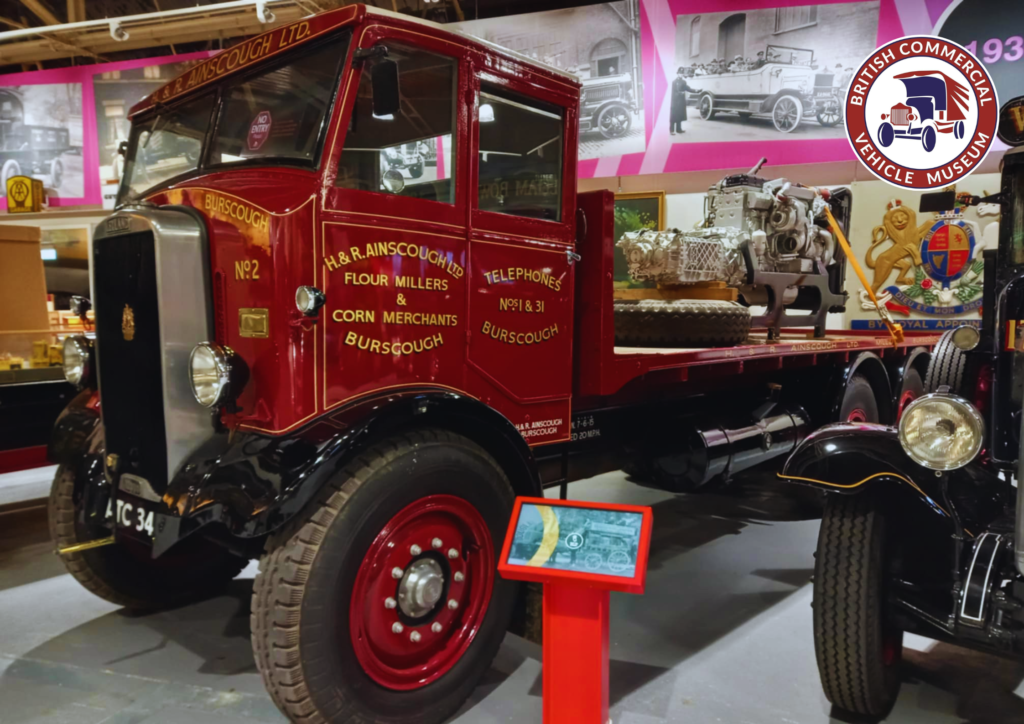
The Leyland Hippo
This Leyland Hippo was manufactured by Leyland Motors in 1935.
It ended its first life following a road traffic accident on Parbold Hill in Lancashire when it ran out of control along the steep and winding road which runs down the hillside. The driver had to crash into a railway bridge in order to bring it to a stop. Although, considered to be a write off, following many months of repairs and modifications it was returned to work and continued to work until 1965!
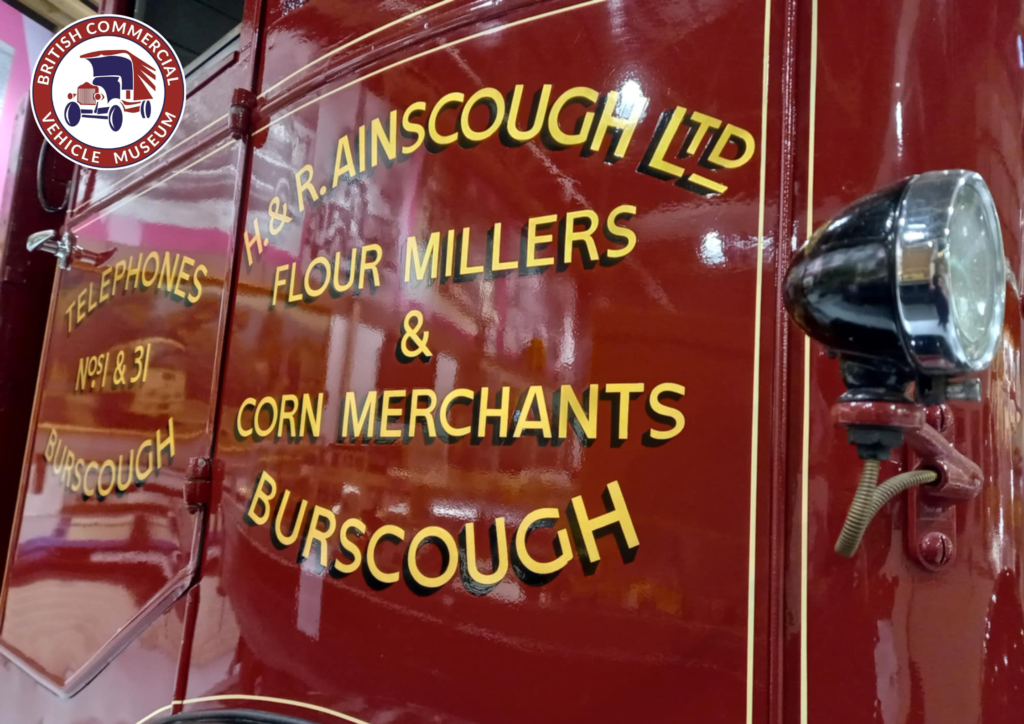
This truck spent many years working for a flour mill company, H & R Ainscough Ltd. of Burscough, Lancashire.
It features the Royal Crest on the front of the cab due to Leyland Motor’s close working relationship with King George V.
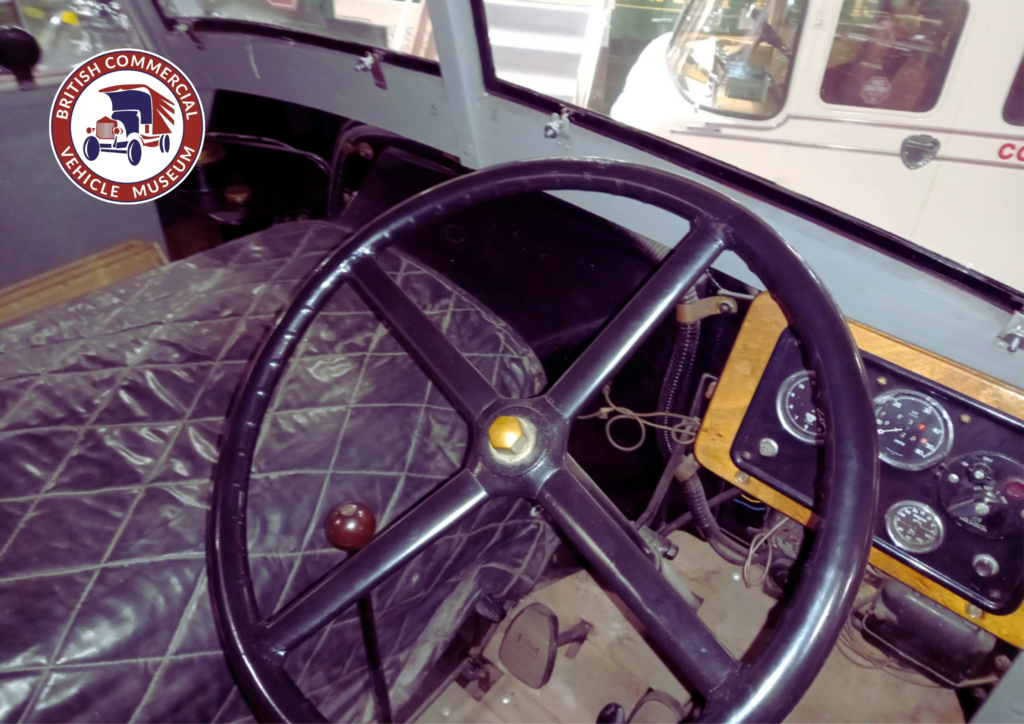
Originally, the Hippo was fitted with a petrol engine, but following its Parbold Hill accident it was fitted with a diesel engine when it was completely rebuilt at Leyland’s Chorley Workshops.
It was later purchased by the late Mr Pyatt for just £1.00! Many of thousands of pound were then spent by its new owner carrying out a complete rebuild and modifications.


Hippos: The Surprisingly Agile Giants of African Waters
And of course, we couldn’t not mention the marvellous mammals which World Hippo Day celebrates…
Hippos are huge semi-aquatic mammals native to the continent of Africa.
They are largely considered to be the second largest land animal (after the elephant) in the World. – Male hippos can grow up to 3.5m long and 1.5m tall, weighing in at around 3,200kg… that’s almost as heavy as three small cars! In addition to this they can also run at speeds of up to 30km/h on land.
To stay cool in the African heat Hippos spend the majority of their time in water, as their eyes, ears and nostrils are located on the top of their head, they can still see and breathe whilst their bodies are submerged.
In addition to spending time in the water to stay cool, their bodies also secrete an oily red liquid which prevents their skin from drying out and stops them from burning in the sun.
Hippos are fantastic swimmers! They have the remarkable ability to hold their breath for up to 5 minutes at a time when underwater… their ears and nostrils fold shut to keep water out.
They are sociable animals who live in groups of around 10 to 20 hippos, which are led by one dominant male.